
Early County Criminal History Checks
Start by deciding whether the goal is current custody, an arrest report, a filed court case, a final felony conviction, or a review of your own Georgia record. Early County has no verified public jail roster, warrant list, booking blotter, or free county case portal. That makes a layered check more useful than one broad name query. Keep the full legal name, date of birth, spelling variants, approximate event date, and any case, report, booking, or Offender Tracking Number close at hand.
- Call the Early County Jail for current custody and booking details, or use Georgia VINELink for custody notice service.
- Ask the arresting agency for its incident or arrest report. The Sheriff, Blakely Police, GBI, and State Patrol keep their own narratives.
- Contact the issuing court. Superior Court holds felony cases, while Magistrate and municipal courts keep other matters.
- Use Georgia Felon Search for the state's public final felony-conviction product, while keeping its scope limits in mind.
- For your own fuller Georgia history, use a local agency procedure or an appointment-based GCIC inspection and fingerprint route.
The official Early County homepage shows the county's public starting point.
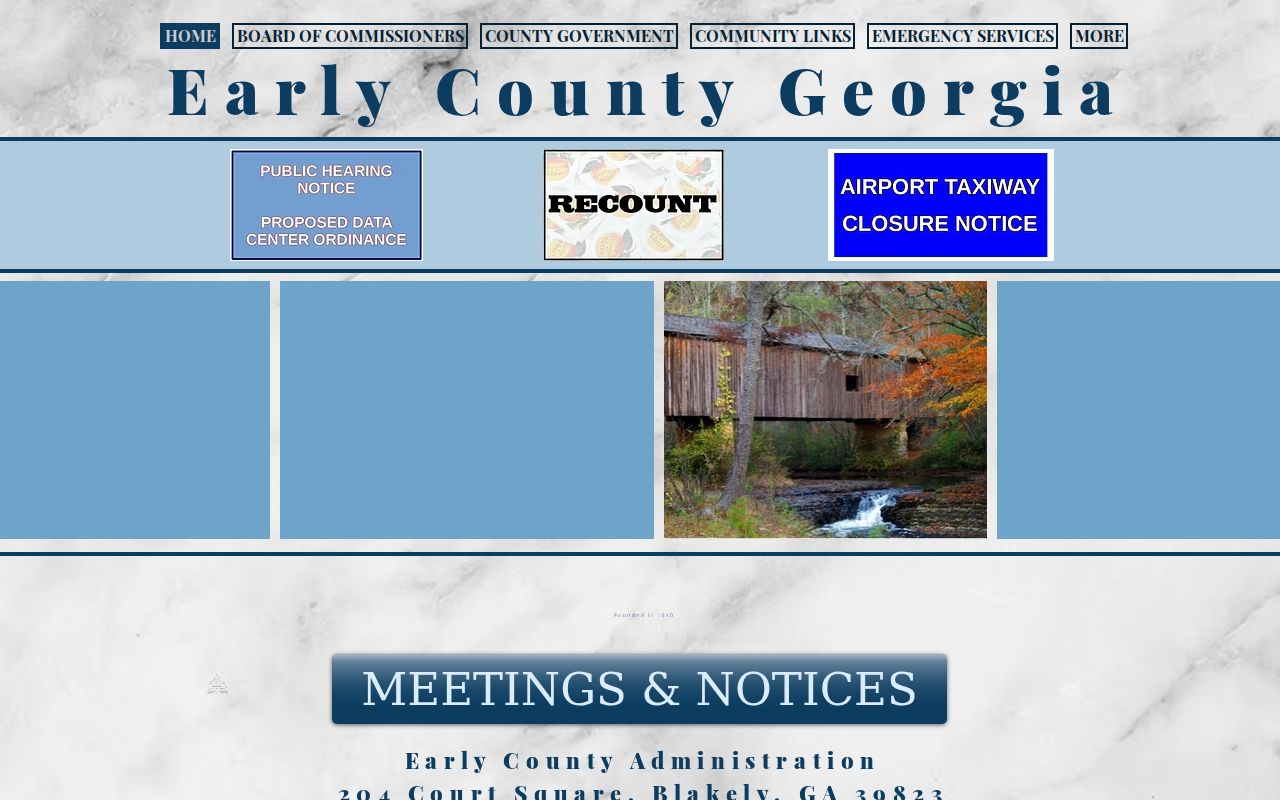
Its courthouse setting reflects how many record requests begin at Court Square, even though the records sit at distinct counters.
The county's department directory links the local justice offices.
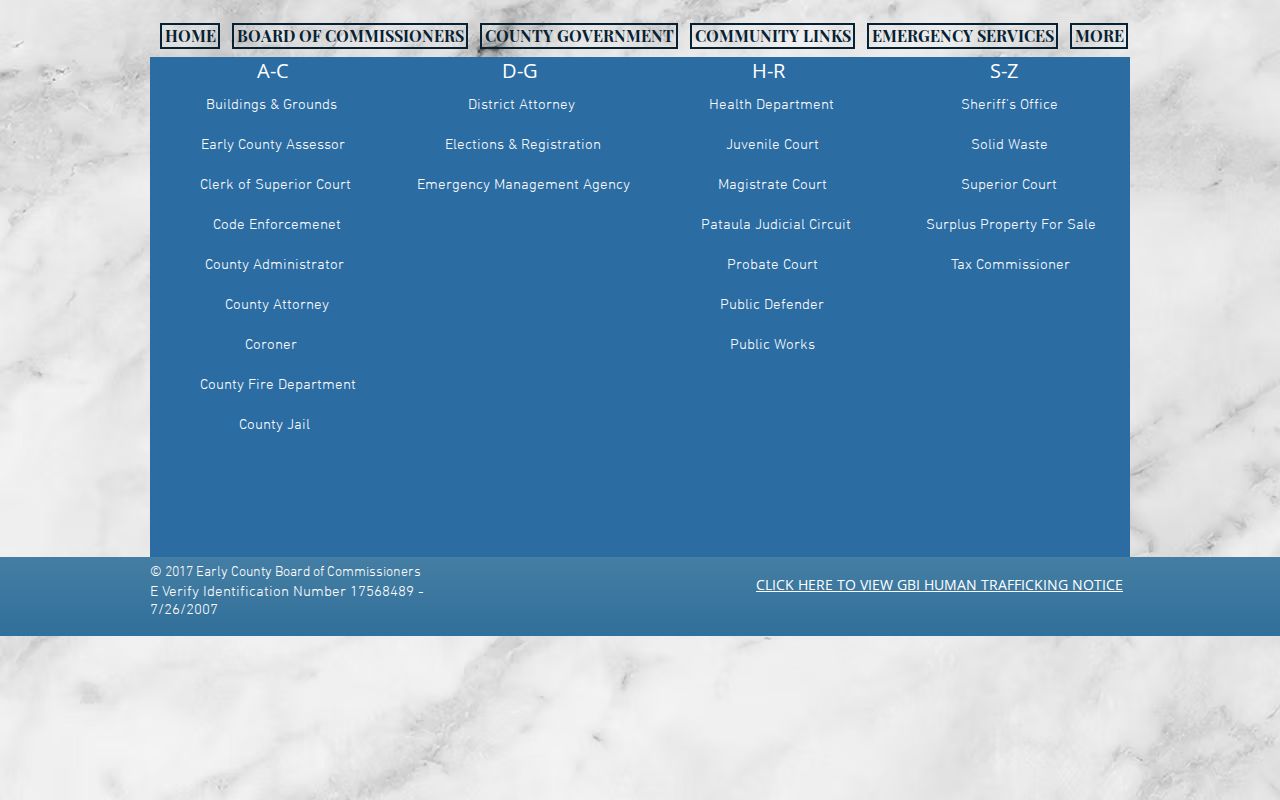
That directory helps a requester route a report, booking, or case file to its actual custodian.
Early County Has Split Records
An arrest produces several files, not one master file. The arresting agency writes the incident narrative. Early County Jail logs intake, property, charges, fingerprints, bond, and custody. A prosecutor may later change the arresting charge before filing an accusation or indictment. The clerk then tracks the docket and disposition. GCIC links fingerprint-supported arrest cycles with outcomes sent by source agencies. Those files can differ without any one of them being false.
| Question | Best Early County channel | Main limit |
|---|---|---|
| Is the person in local custody? | Early County Jail or VINELink | Custody is not a case outcome |
| What did the officer report? | Arresting agency | Active-case details may be redacted |
| What charge was filed? | Correct court clerk | Courts keep separate indexes |
| Is there a final Georgia felony conviction? | Georgia Felon Search | It omits many record types |
The county history page presents the courthouse as a civic landmark.
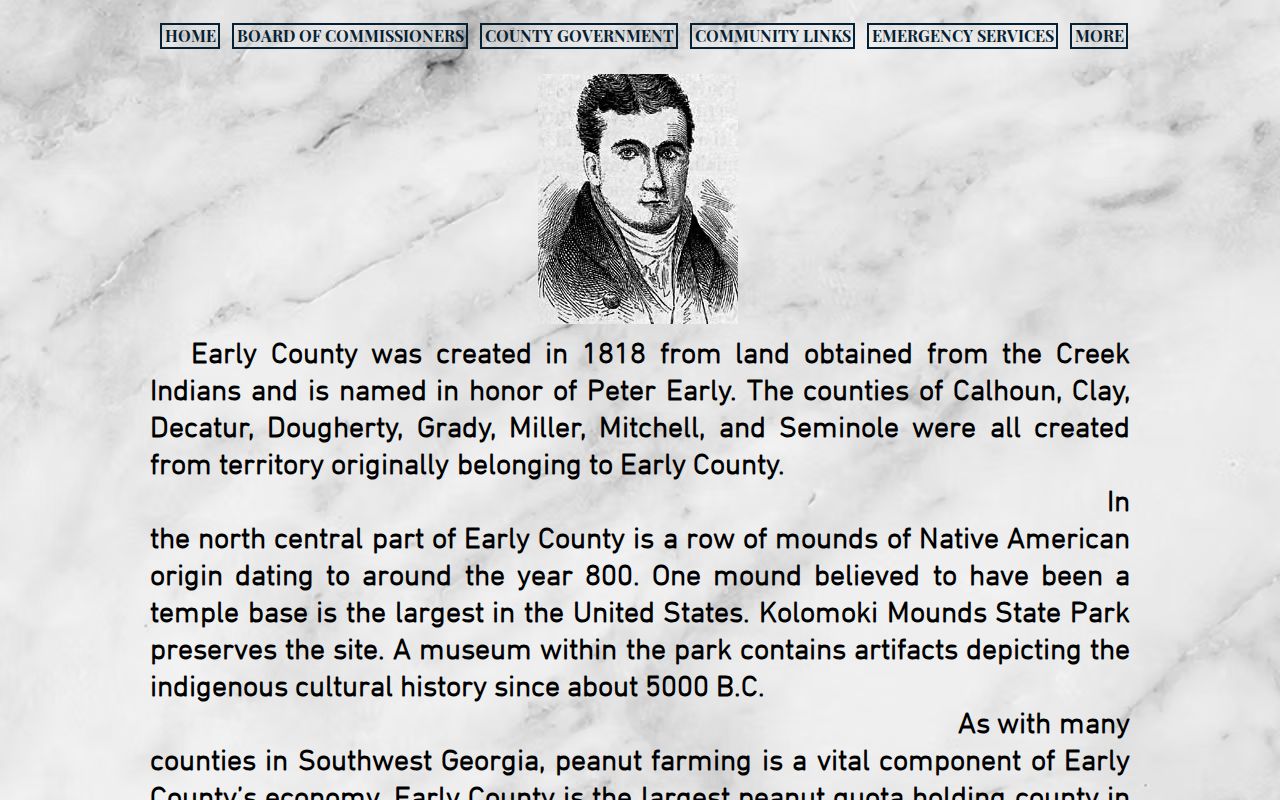
Early County was created in 1818, and the Court Square hub still shapes how residents reach local criminal records.
Official Background Checks in Georgia
The Georgia Bureau of Investigation's Georgia Crime Information Center maintains the central repository. For public access, Georgia Felon Search is the narrow name-based product. It asks for first and last name, birth date, sex, and race. The fee is $15 even when no record appears, and opening each possible match costs another $15. A result is only a possible name match. Fingerprints are needed to tie a record to an identity with more confidence.
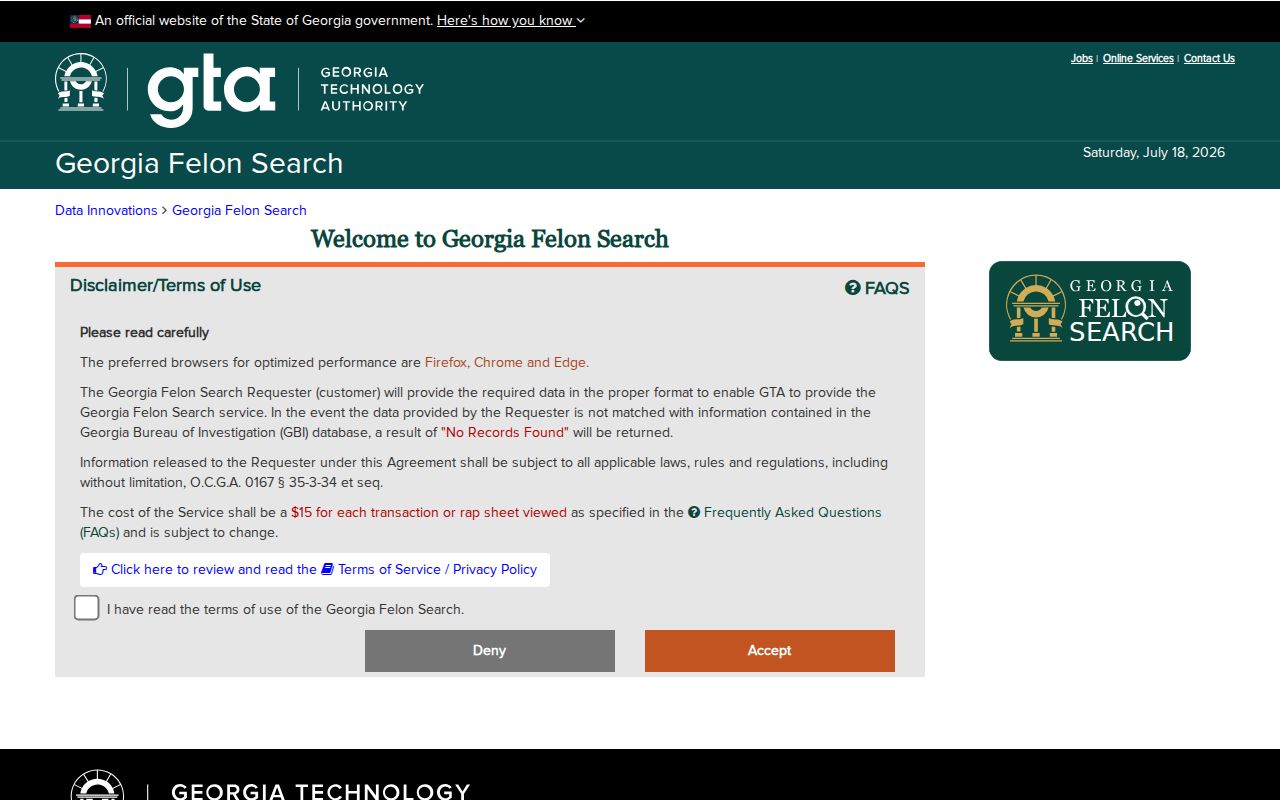
The portal covers final in-state felony convictions, not misdemeanors, juvenile matters, or restricted and sealed data.
The GBI criminal-history instructions explain GCIC access and correction rules.
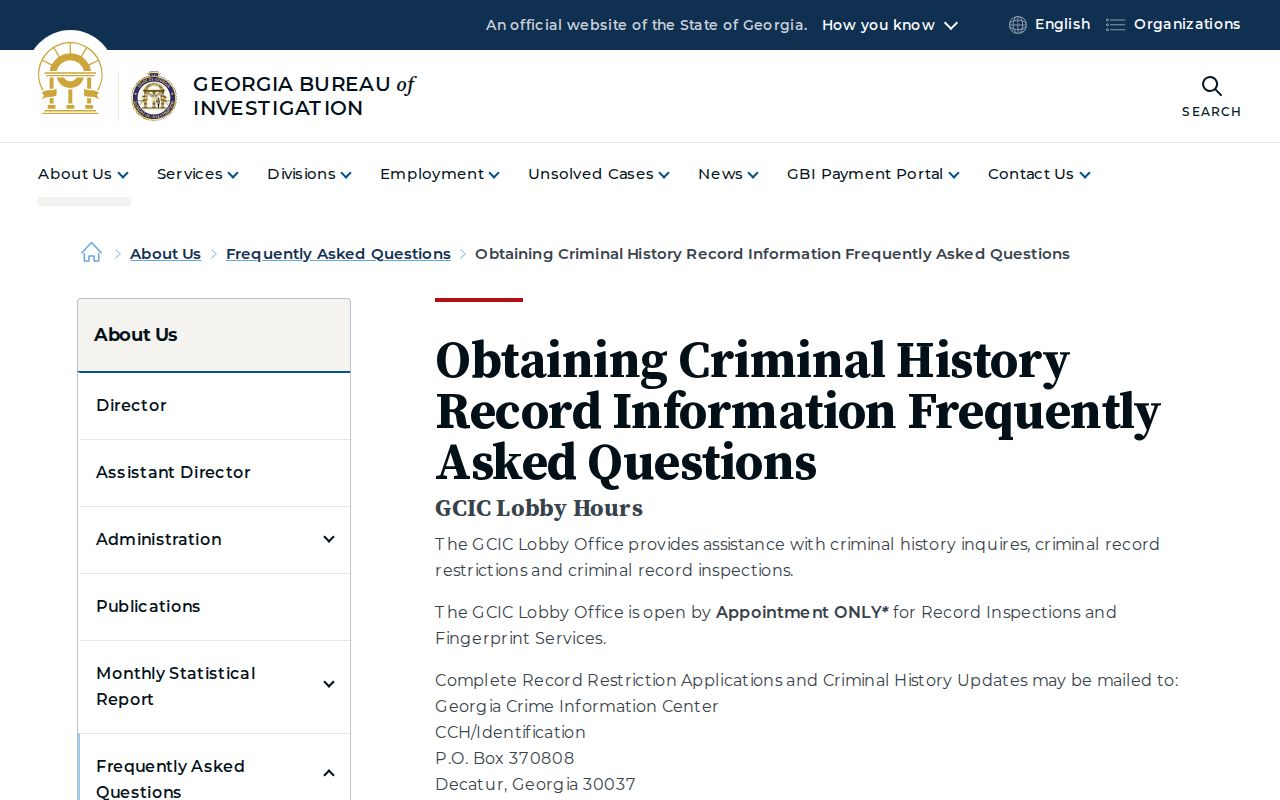
For self-review, GCIC offers appointment-only inspection in Decatur, and local law enforcement may provide a Georgia history under its own procedure.
Early County Fingerprint Record Routes
Georgia Applicant Processing Service is the authorized fingerprint channel. A person receives the right agency or service code, registers online, picks an available IdentoGO site, brings accepted photo identification, and pays the amount shown for that service. No permanent enrollment site in Early County was confirmed, so check the live locator before planning a trip. Current published totals include $39.99 for Georgia-only and $51.99 for Georgia and FBI service, but the code and lawful purpose control access.
The official GAPS registration service handles appointments and site selection.
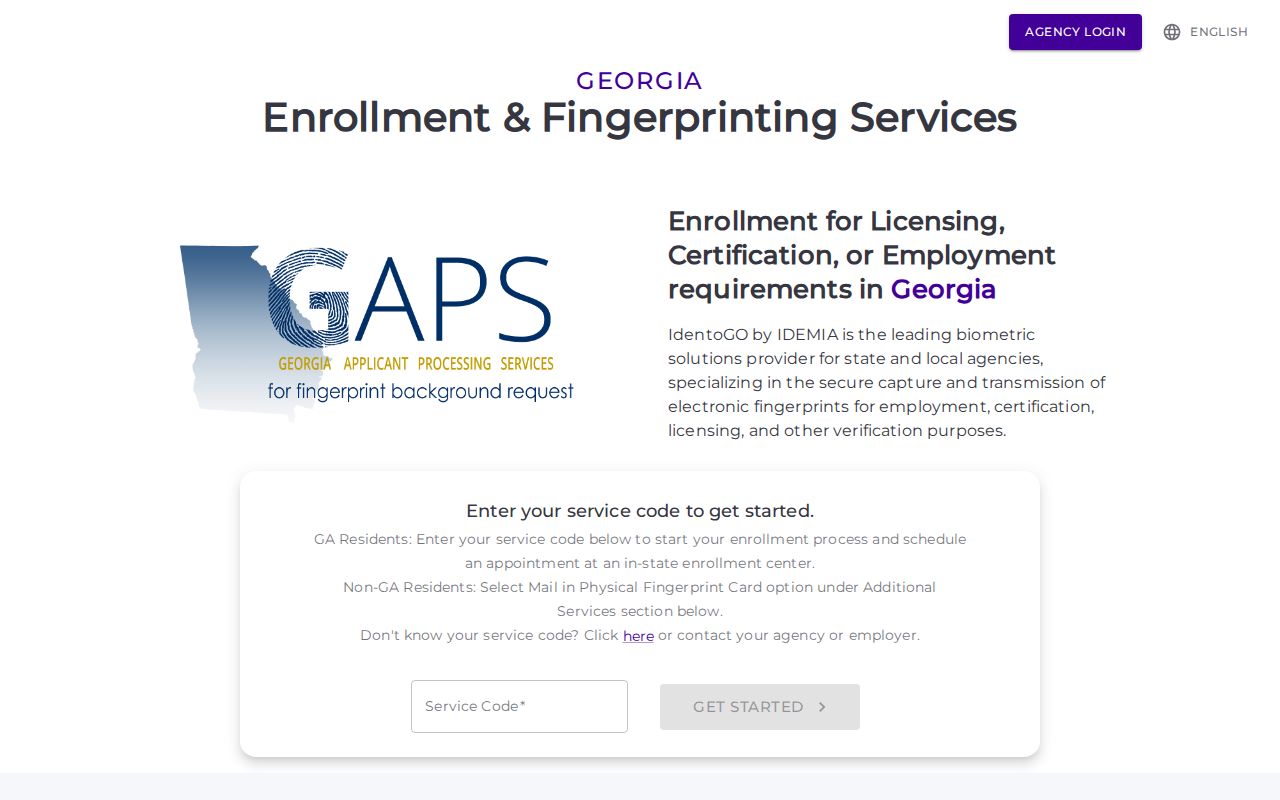
The screen is an intake route for approved fingerprint work, not an open name search for any member of the public.
For a personal national record, the FBI electronic ordering portal accepts Identity History Summary requests.
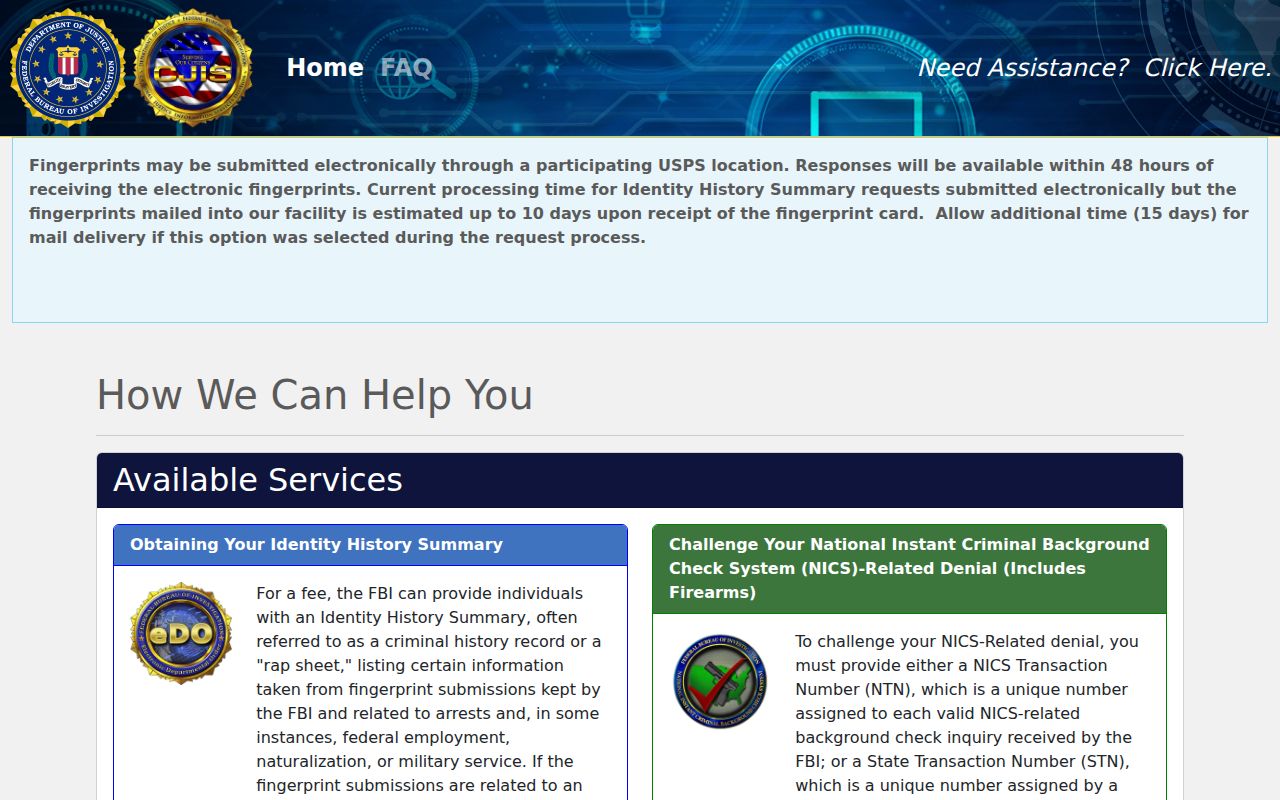
The FBI fee is $18 plus any fingerprint service charge, and the result is not a substitute for an Early County court file.
Kinds of Criminal Records
Early County criminal records differ by creator and purpose. An incident report records what officers were told and observed. A booking record shows jail intake and custody. The charging paper states what the prosecutor chose to pursue. A docket follows hearings, pleas, rulings, disposition, and sentence. A warrant comes from a court and is tracked by law enforcement. Probation, parole, registry, and prison records each belong to their own state or local system.
- Arrest and booking: ask the source agency and Early County Jail.
- Court case: ask the clerk for the court that heard the charge.
- State conviction: use GCIC's lawful access route or Georgia Felon Search.
- Supervision: use DCS for felony community supervision and the parole board for parole authority.
- Registry: use the official GBI registry and report local address errors to the Sheriff.
The Georgia Courts e-filing chart lists Early Superior Court as a mandatory e-file court.
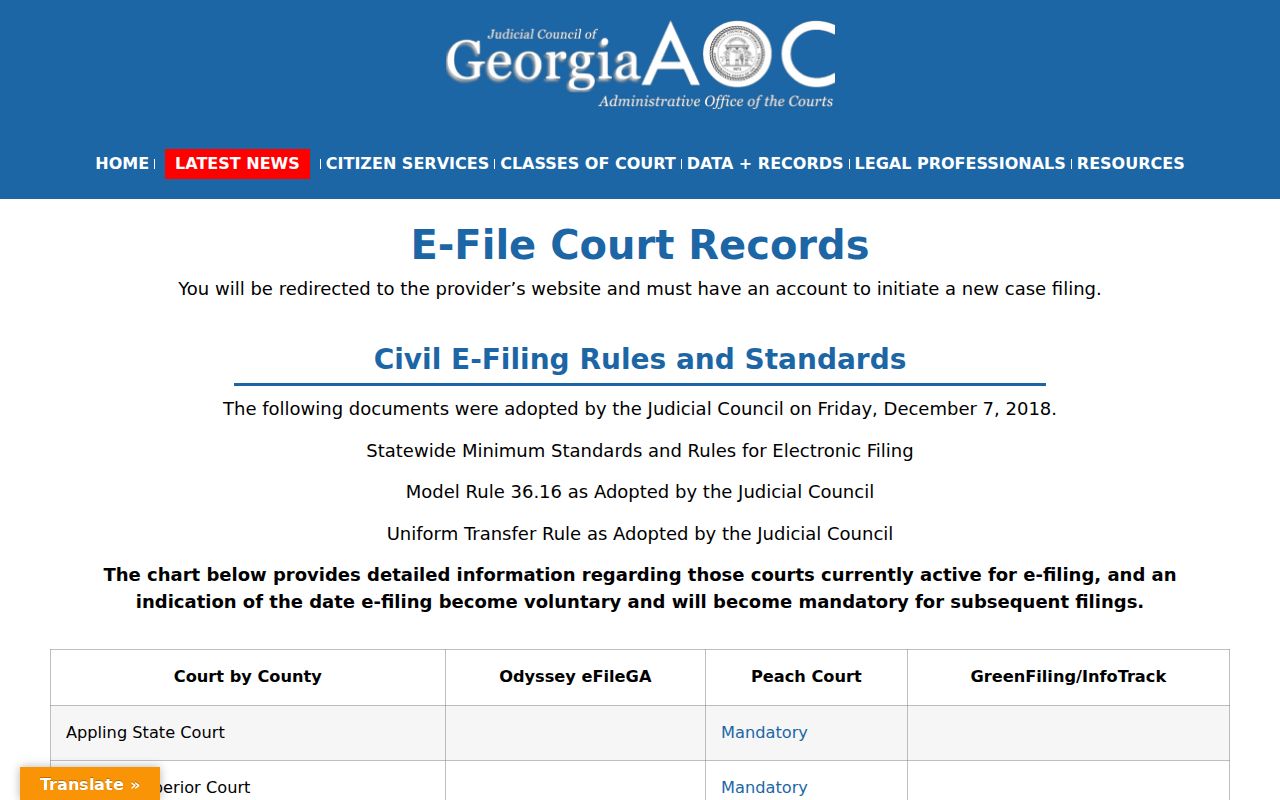
Mandatory electronic filing does not mean every document can be viewed online for free.
Early County Jail and Warrants
No official browser-based Early County jail roster or warrant list was verified. For recent custody, call the jail at (229) 723-3150. The Sheriff's main line is (229) 723-3577. Give the full name and date of birth, then ask about booking date, booking number, charges as booked, bond, and the court tied to the case. A written Open Records Act request is the fallback for an older booking file.
Georgia VINELink is useful when the need is a custody-status alert. The official Georgia VINELink service is separate from a criminal-history search.
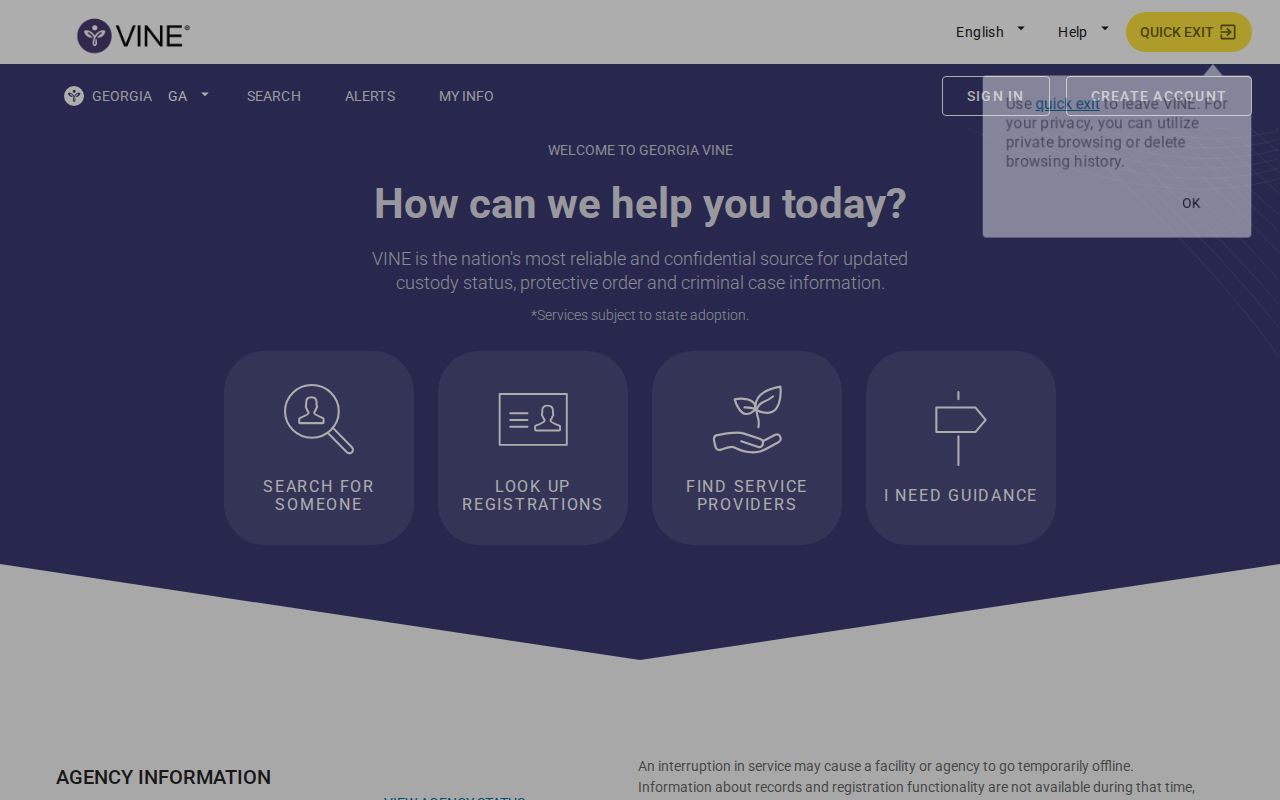
It can track participating custody events, but it does not supply a certified disposition or full case docket.
For a warrant, contact the Sheriff with the name and birth date, then verify the issuing court and status. Magistrate Court handles warrants and early proceedings; Blakely Municipal Court handles its own failures to appear; Superior Court dockets may show felony capias activity. A person checking their own possible warrant should know that an in-person visit can lead to immediate custody. Only the issuing authority can clear the warrant.
Early County Criminal Records: What They Contain
A useful record check compares the same arrest across more than one source. The booking file preserves the jail's intake data. The case file shows the charge actually filed. GCIC groups fingerprint-linked activity under an SID and ties an arrest cycle to later reports through an OTN. Public views omit sensitive identifiers and any material the law restricts.
| Name & identifiers | Names, aliases, birth date, sex, race, and source-system numbers where public. |
|---|---|
| Arrest and booking | Agency, dates, report or booking number, intake charges, bond, and custody events. |
| Charges and statutes | Alleged offenses at arrest and the charges later filed in court. |
| Disposition | Dismissal, plea, verdict, acquittal, no bill, or other reported outcome. |
| Sentence | Confinement, probation, restitution, or other terms ordered by the court. |
| Custody or supervision | County jail, GDC, probation, or parole status from the right custodian. |
The Georgia Department of Corrections manages state prison records.
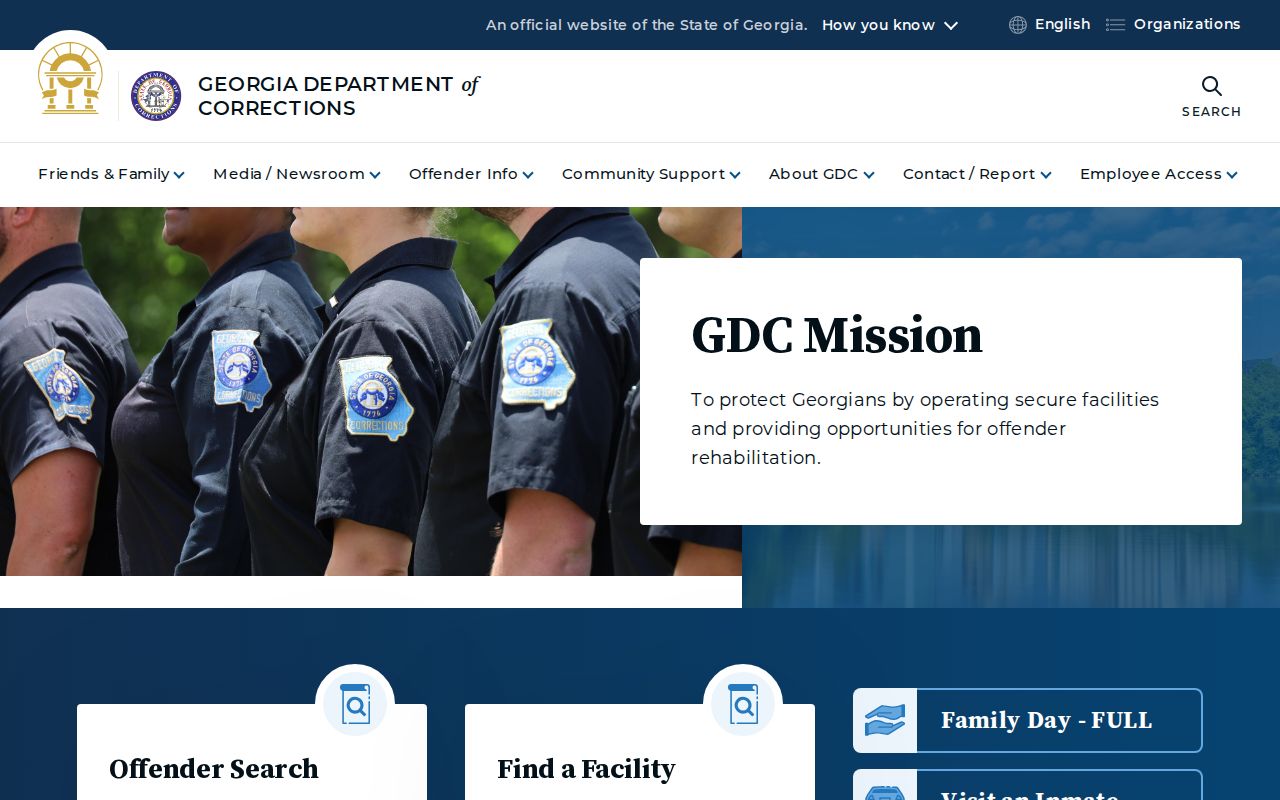
Once a sentenced person enters state custody, the state system becomes the better locator than the county jail.
Early County Custody Has Layers
County jail, state prison, and federal prison are three separate searches. Use the jail for local pretrial or short-term custody. The GDC Find an Offender query is the official state locator.
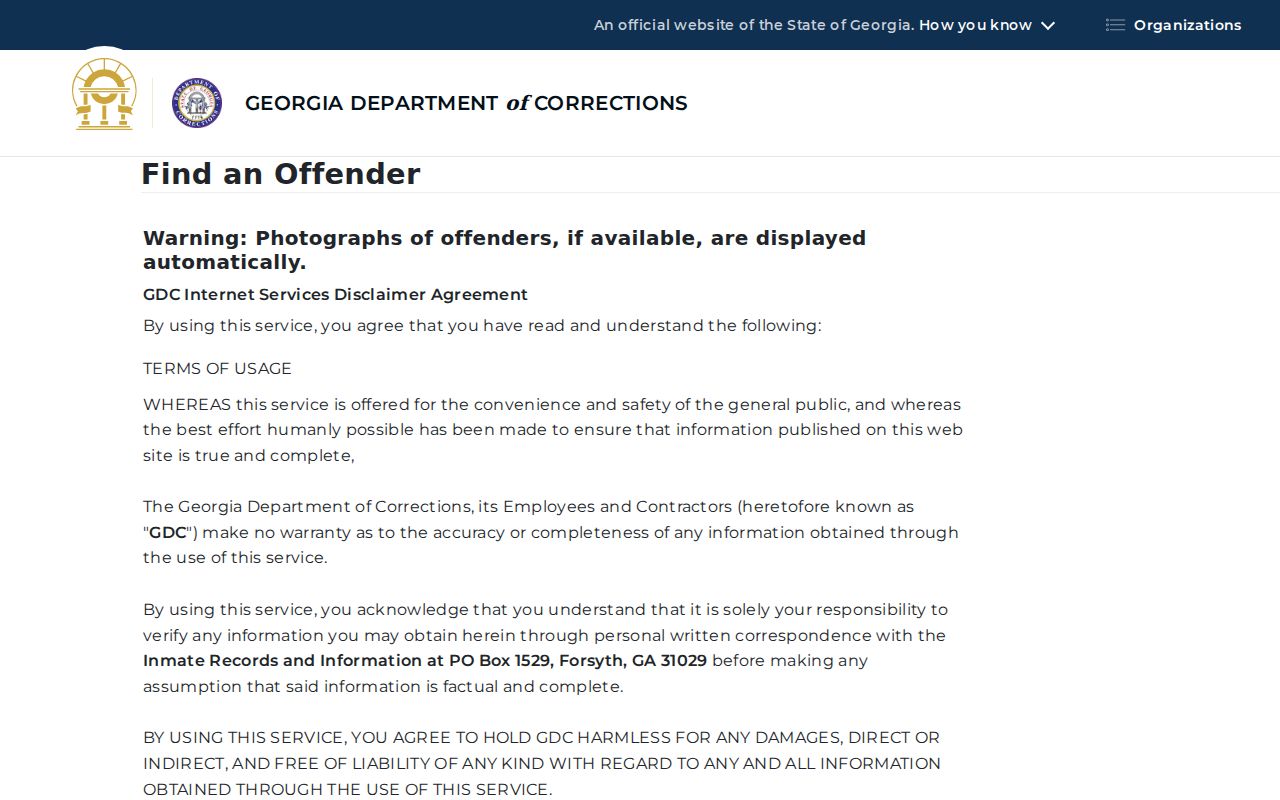
Its result addresses GDC custody and offender data, not the full Early County court file.
The Federal Bureau of Prisons locator serves the federal layer.
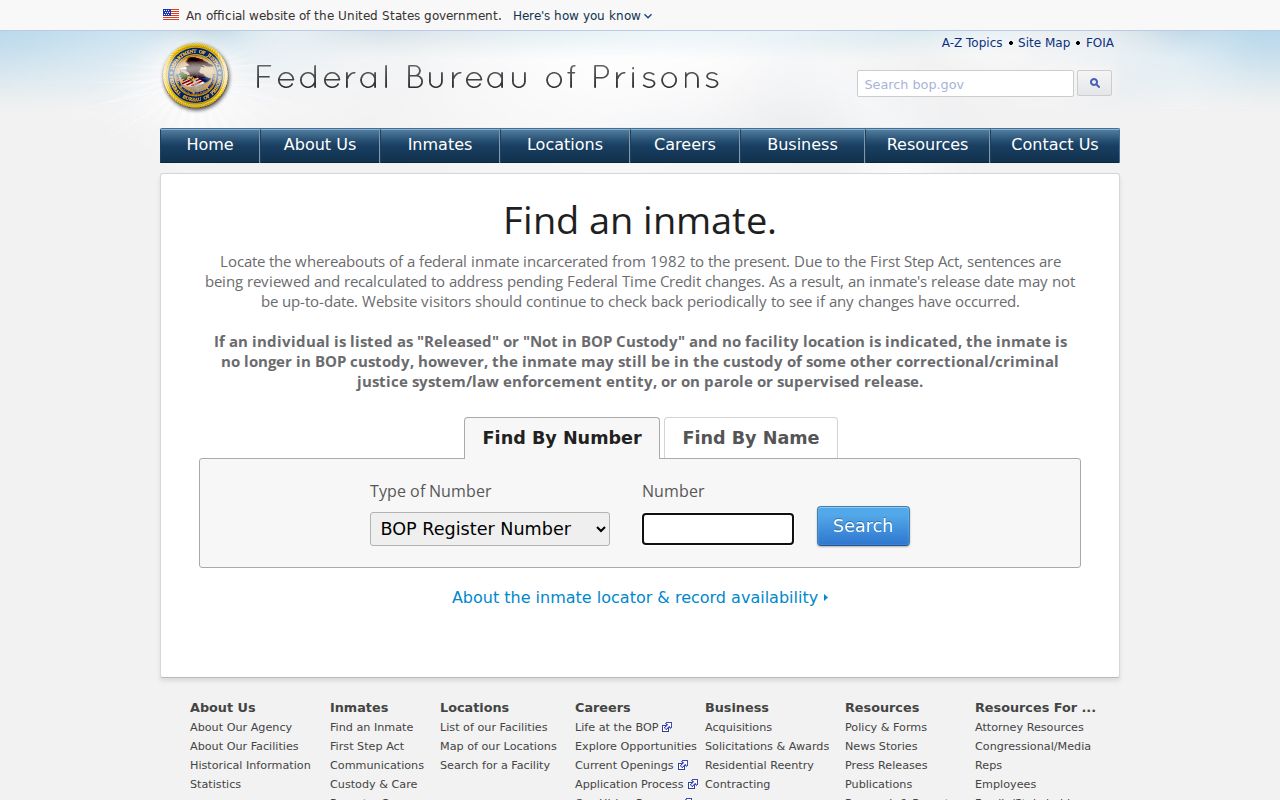
A federal result should be paired with the federal docket if the question concerns charges, rulings, or sentence details.
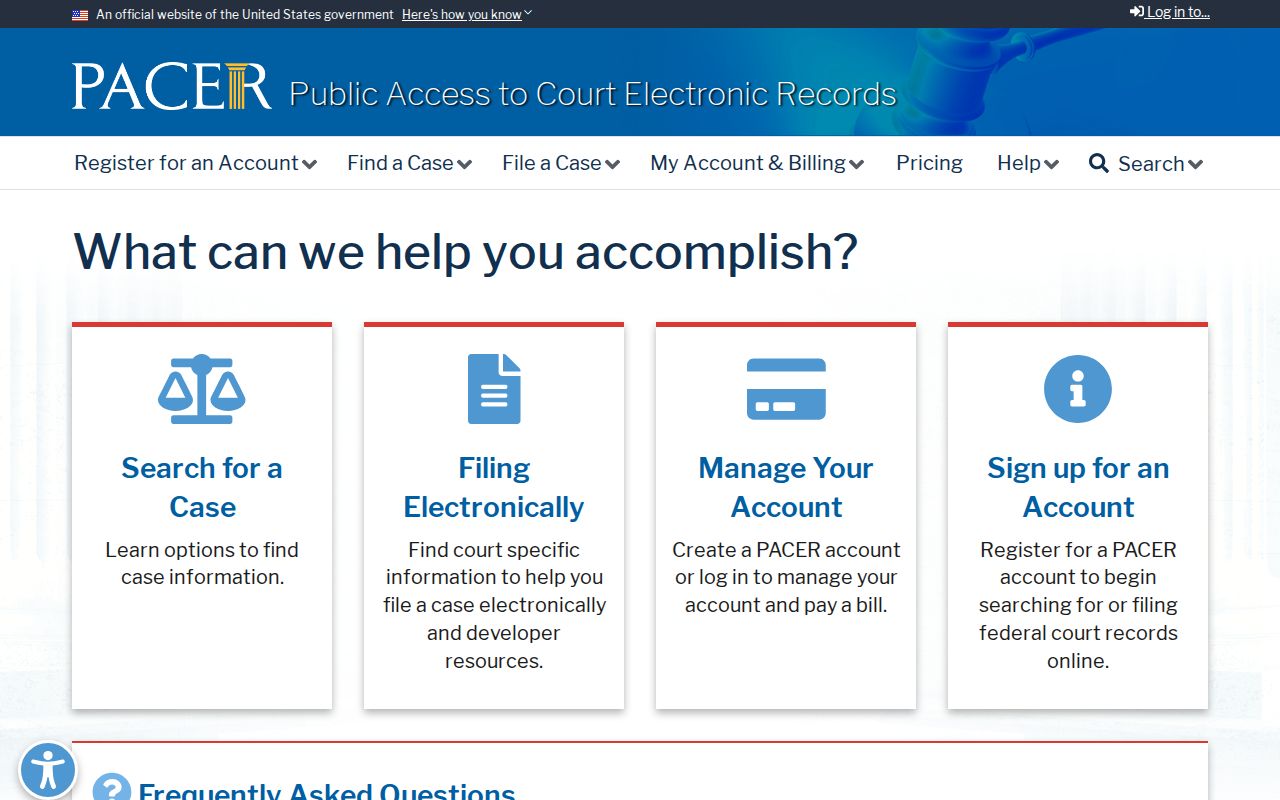
Federal cases from Early County fall within the Middle District of Georgia. PACER provides account-based federal docket access.
The Middle District court site identifies the correct federal court.
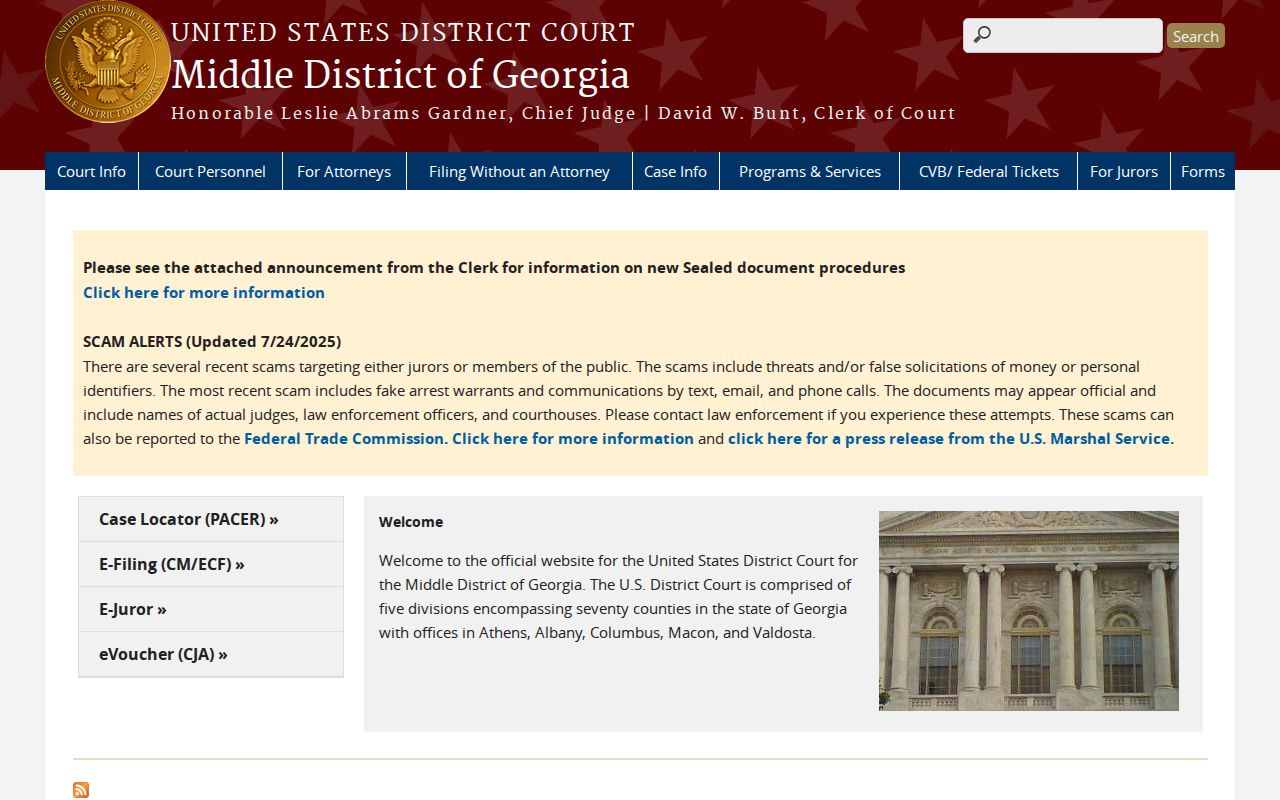
Together, those sources separate federal case records from county and Georgia custody files.
Georgia Public Access Laws
The Georgia Open Records Act presumes access to agency records but allows lawful redaction and withholding. Send the request to the creator: Sheriff or police for a report, jail for booking and custody, clerk for filings and certified outcomes, and GCIC for its own authorized products. A written agency request generally draws a response within three business days. That deadline is for the response, not always final production.
Key statutes:
O.C.G.A. §§50-18-70 through 50-18-77 set the agency-record request and response framework.
O.C.G.A. §35-3-34 governs GCIC dissemination and public felony-conviction access.
O.C.G.A. §35-3-37 governs qualifying record restriction and related court sealing.
O.C.G.A. §42-1-12 governs registry duties and public data.
The Attorney General's open-government page supplies official access guidance.
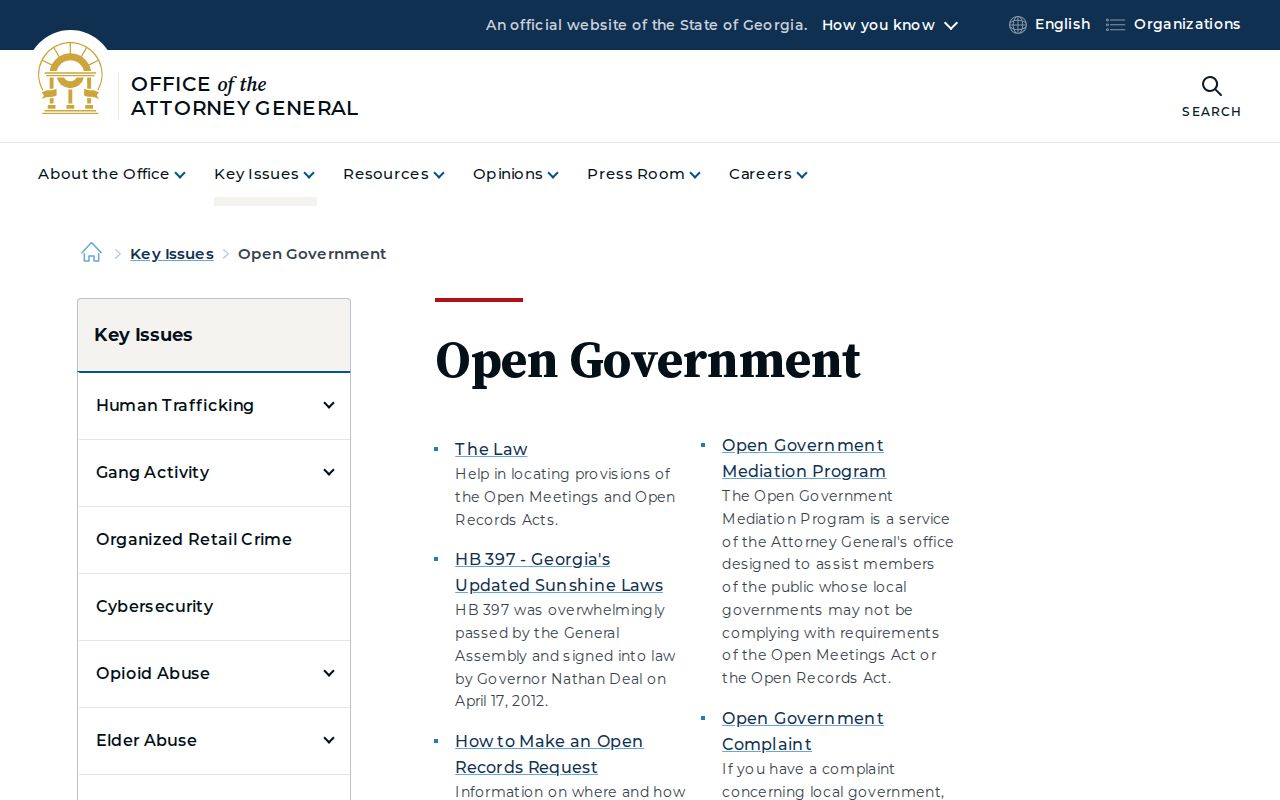
Specific exemptions can protect active investigations, juvenile data, victim-sensitive facts, medical details, and security information.
A captured Georgia code text reference provides another view of Title 50.
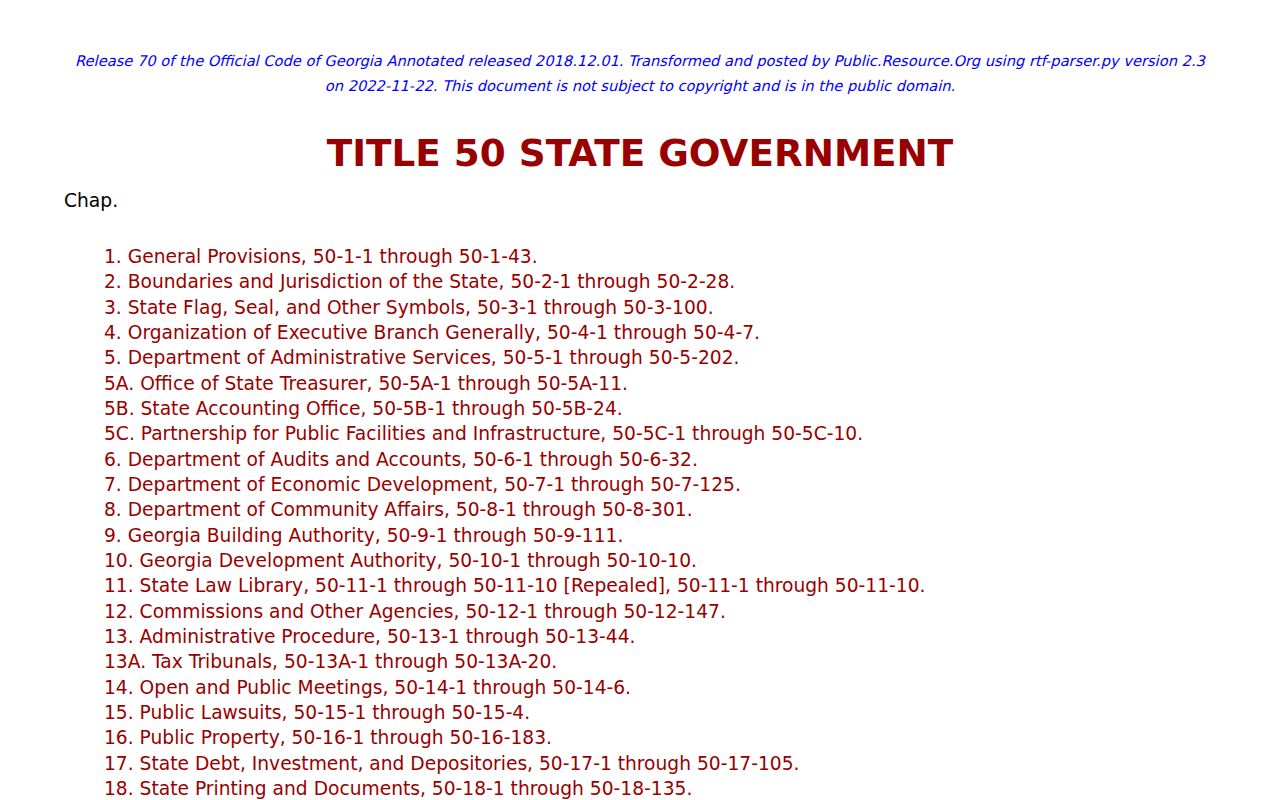
Official agency guidance controls the practical request route, while the code supplies the legal frame.
Read Early County Record Terms
Charge labels and status words can change as a matter moves from arrest to court. An intake charge is an allegation. The accusation or indictment is the prosecutor's filed charge. The disposition is the outcome. Compare those fields before drawing a conclusion from one screen.
- OTN
- The Offender Tracking Number connects a fingerprint-supported arrest cycle with later disposition reporting.
- Disposition
- The final or current result for a charge, such as dismissal, plea, verdict, or acquittal.
- Nolle prosequi
- A formal choice by the prosecutor not to continue a charge.
- Capias
- A court writ directing custody, often after a person misses a required step.
- Certified copy
- A copy authenticated by the clerk for official proof of a court record.
If GCIC lacks a disposition, obtain official proof from the Early County Clerk or other source court. GCIC cannot rewrite source data on its own. The submitting agency must update the system or send the right documentation. Current personal inspection and challenge fees are $10 when prints are supplied and $25 when GBI takes the fingerprints at headquarters.
Early County Supervision Records
Felony probation and parole field supervision run through the Georgia Department of Community Supervision, including the Blakely and Albany circuit structure. The court file still holds the sentence and revocation filings, while DCS holds operational supervision data. The DCS homepage is the state starting point.
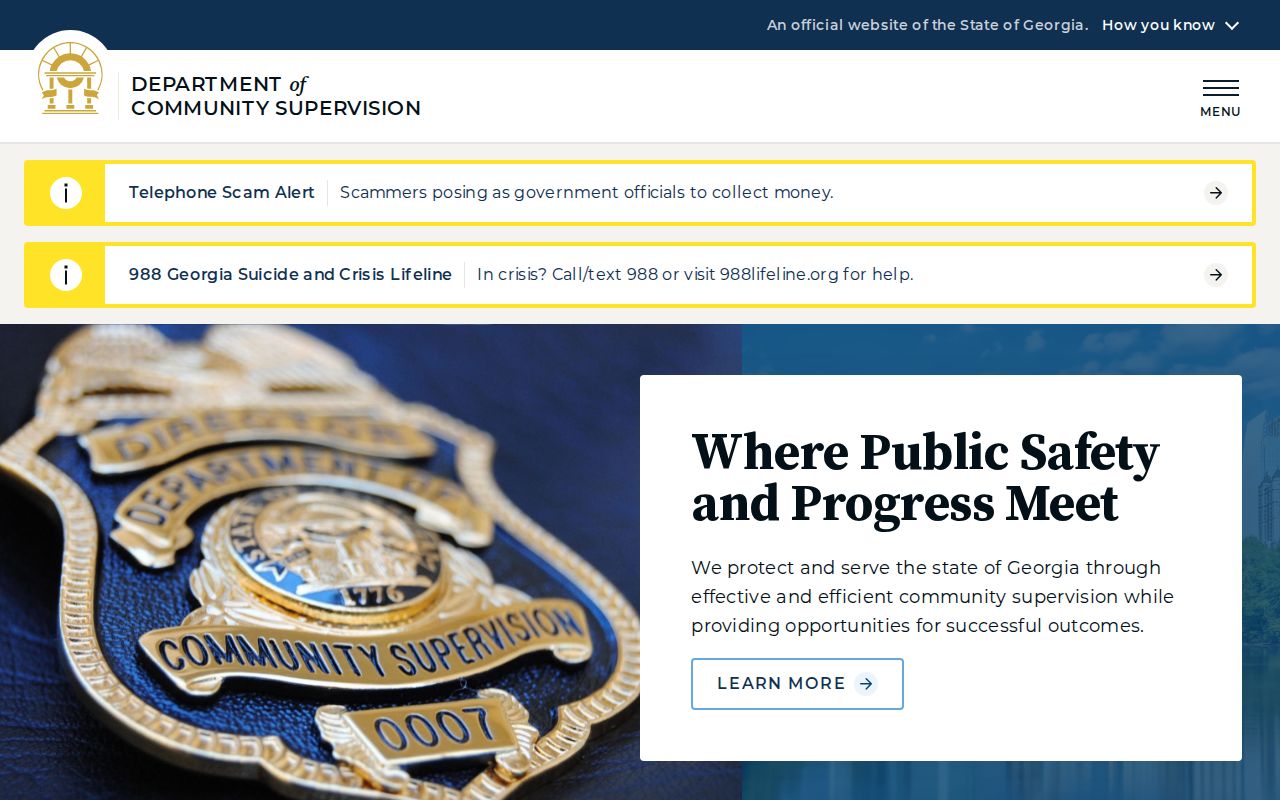
Its role differs from local misdemeanor or municipal probation and from the court's own public docket.
The Georgia State Board of Pardons and Paroles is the parole authority.
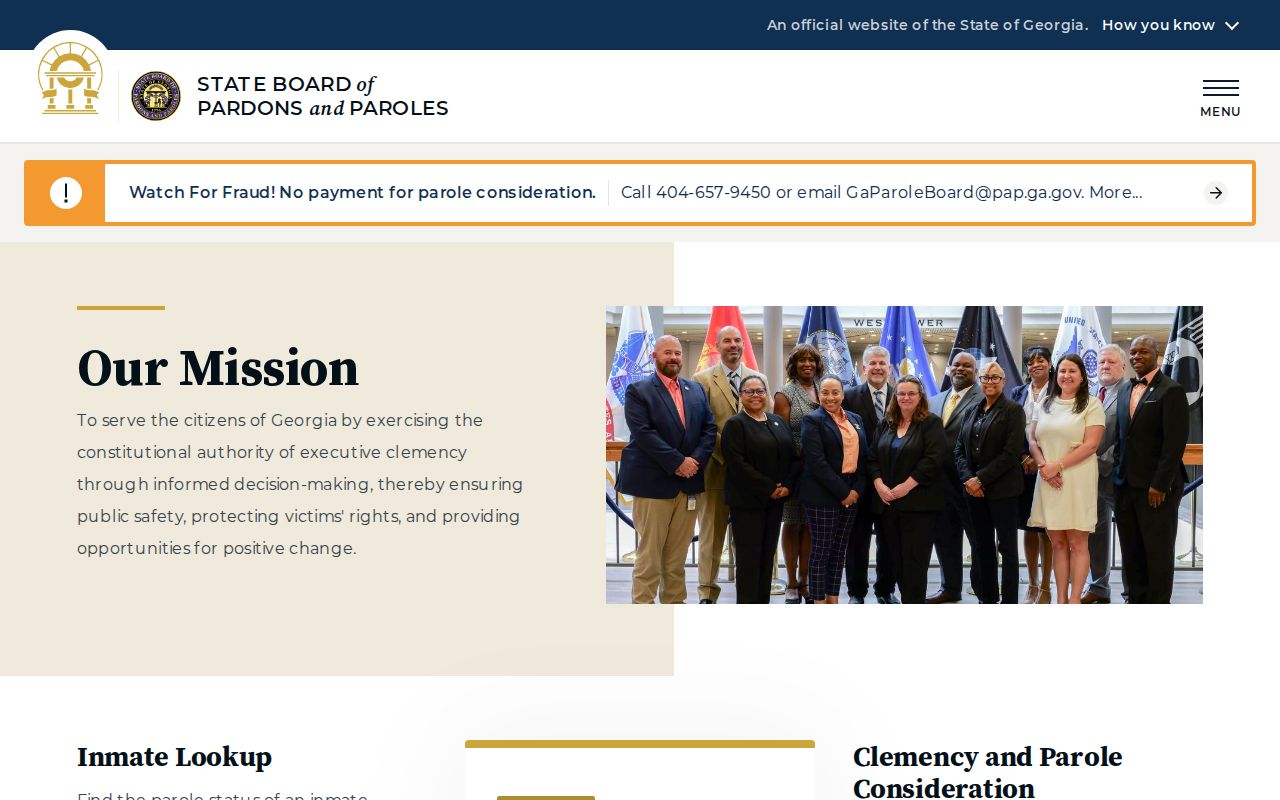
DCS performs field supervision, while the board's role concerns parole decisions and authority.
Early County Registry Records
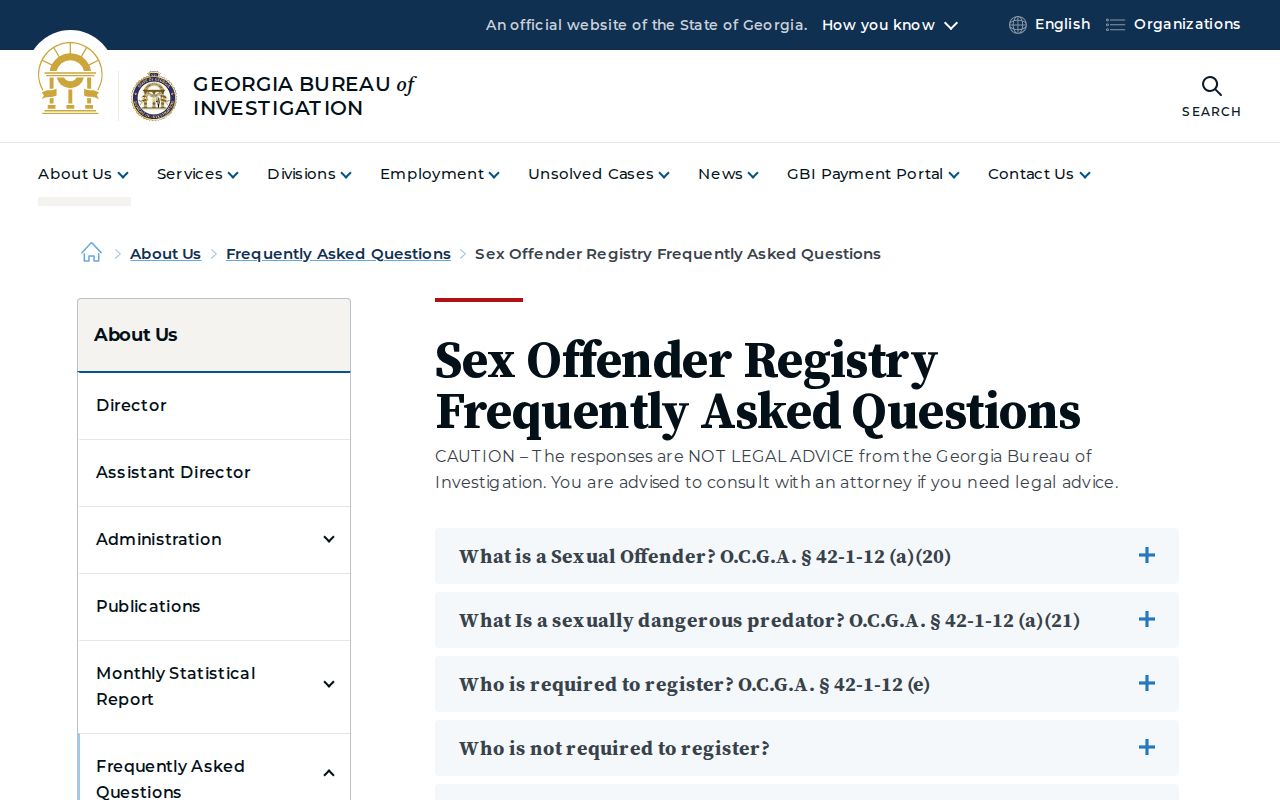
The Georgia Bureau of Investigation maintains the Georgia Sex Offender Registry, and county sheriffs send local changes within two business days. The registry updates daily. Search by name or location, select Early County for a county view, and use the Sheriff to report a wrong local address. A missing result does not prove that no duty exists, and a listed record does not predict current conduct.
The GBI registry overview explains the state service.
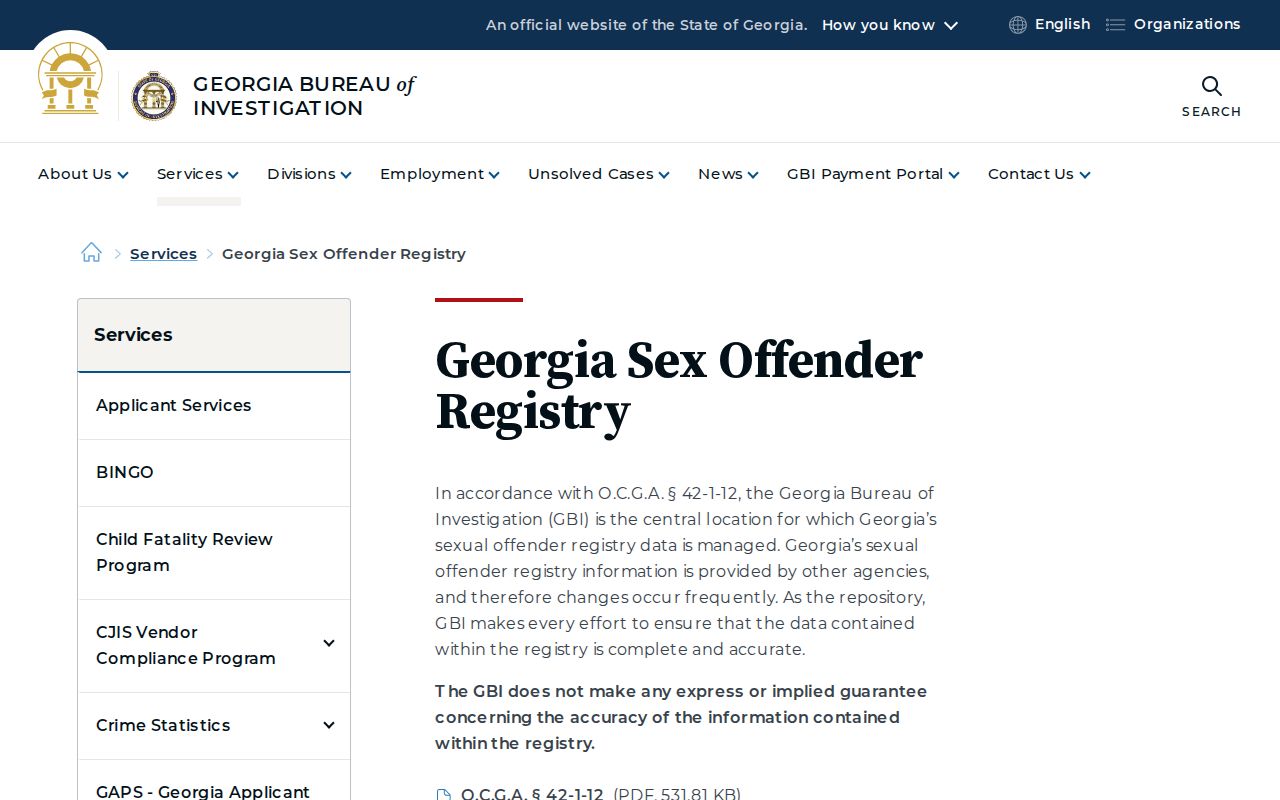
The official registry search provides the public query controls.
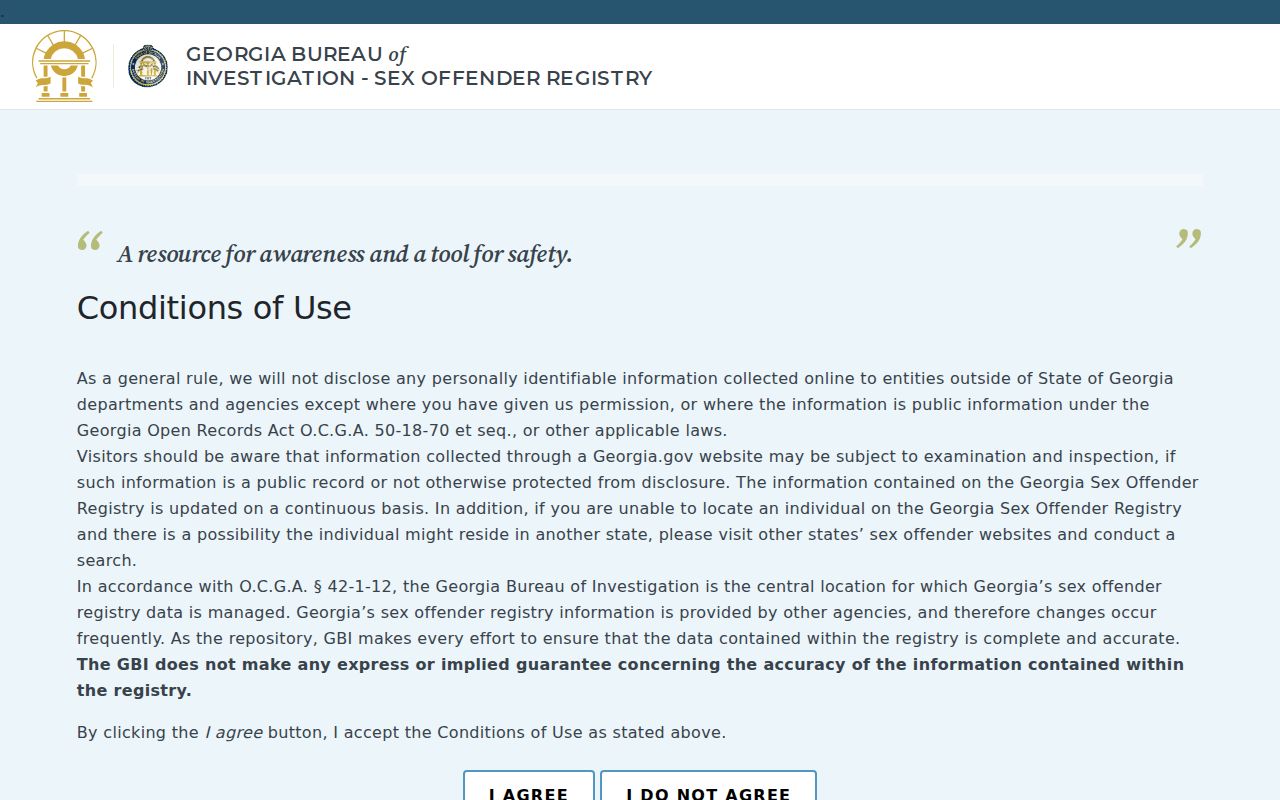
The GBI registry rules explain updates, classification, and reporting.
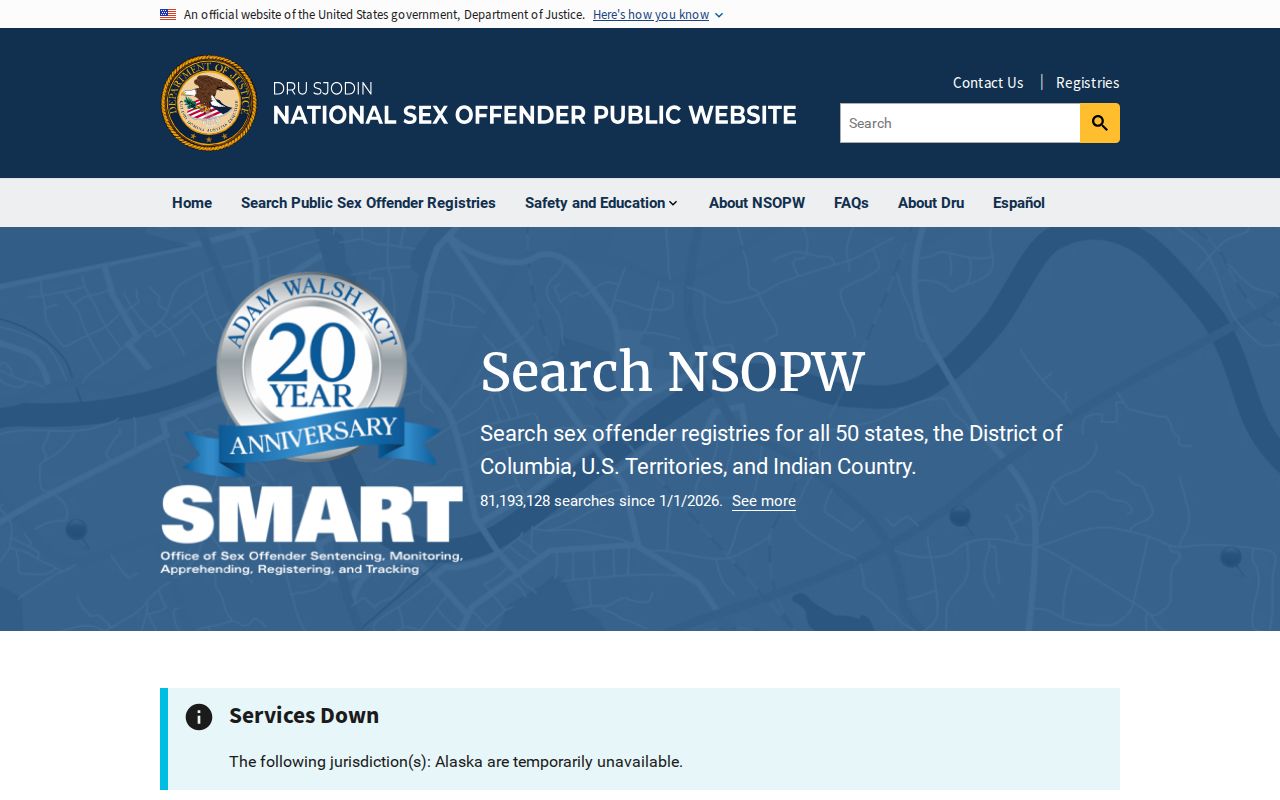
For a cross-state check, the National Sex Offender Public Website adds participating jurisdictions.
Registry information is for lawful safety awareness and must not be used for threats, harassment, or crime.
Restricted, Sealed & Expunged Records
Georgia calls its main relief process record restriction. Restriction does not destroy the file. It limits qualifying GCIC information from ordinary public dissemination, while criminal-justice access may remain. A separate court order may be needed to seal the clerk's record under O.C.G.A. §35-3-37(m). First Offender Act relief and juvenile confidentiality follow their own rules.
For an arrest after July 1, 2013, contact the prosecutor responsible for the outcome. For an older arrest, the applicant, arresting agency, and prosecutor complete parts of the state form. The arresting agency may charge up to $50. When electronic approval is unavailable, the approved form and a $25 certified check or money order go to GCIC. For an Early County felony, obtain the certified disposition from the Clerk and contact the Pataula Circuit District Attorney.
The GBI restriction page states the official route. After approval, review both the court record and your personal GCIC history to confirm that each source reflects the relief.
Early County Record Context
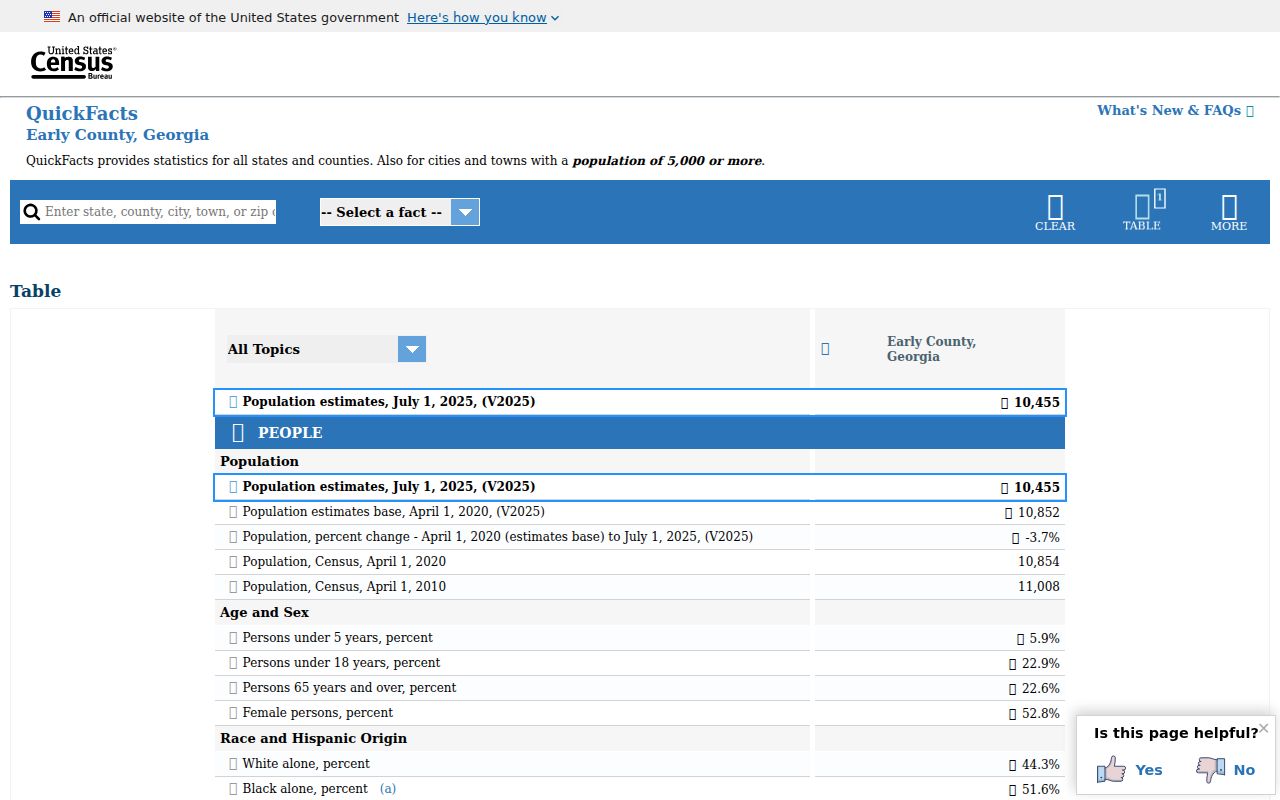
Early County spans about 512.6 square miles and had an estimated 10,444 residents in 2024. In a small population, a modest change in an offense count can make a rate swing look large. Use a complete year and check which agencies reported before comparing trends. Blakely Police and the Sheriff's Office should not be added as though partial totals automatically equal a full county count.
The Census QuickFacts profile gives the county denominator.
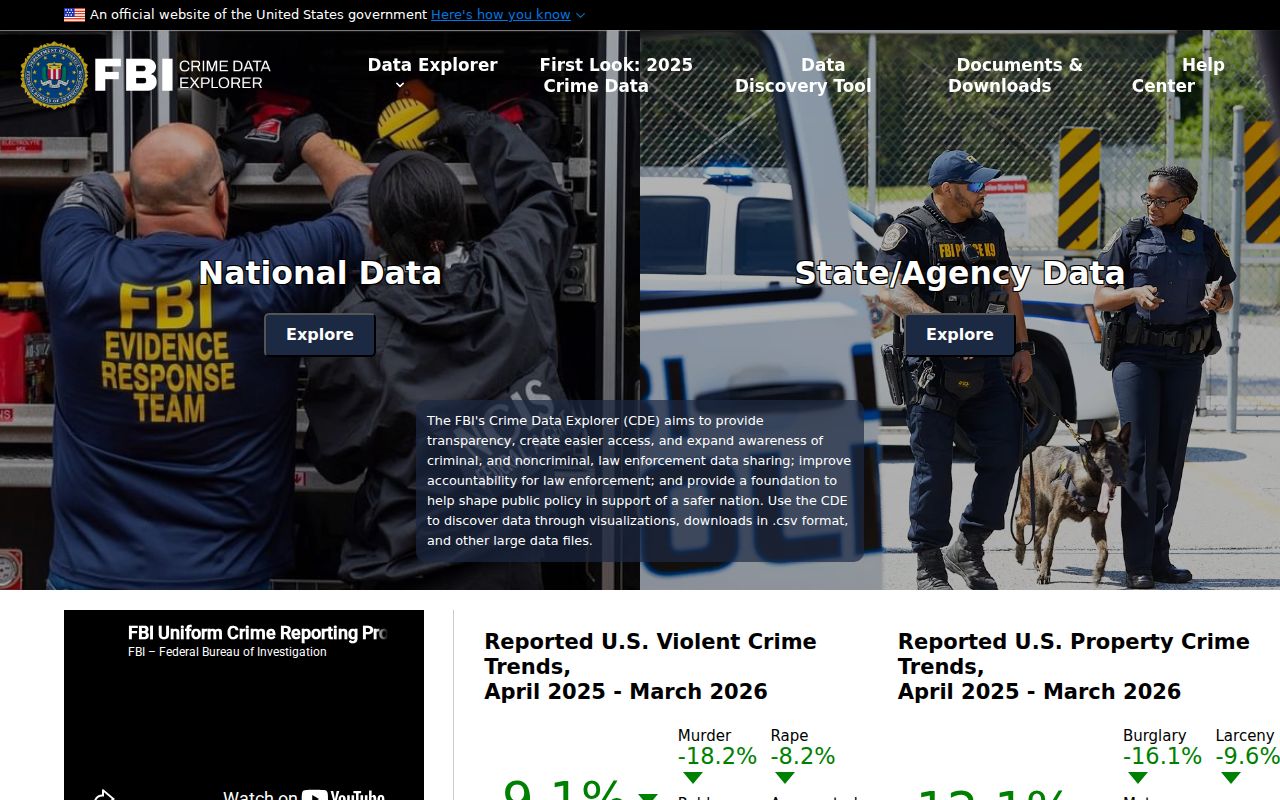
The FBI Crime Data Explorer provides another official statistics route.
The GBI crime statistics page is the Georgia source.
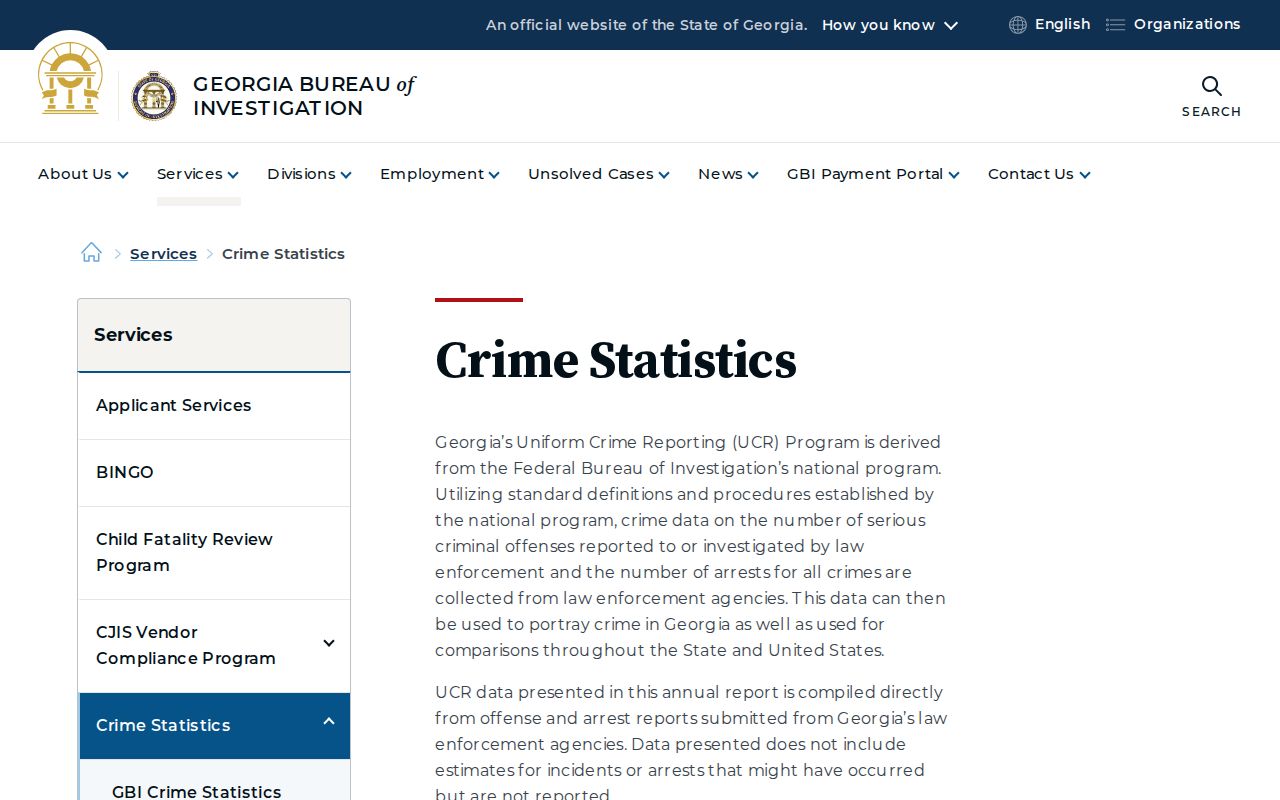
These totals give context, but they do not answer whether one named person has a case or conviction.
City-by-City Criminal Records in Early County
Blakely, Arlington, and Damascus are the three largest incorporated cities in the research's common 2020 Census ranking. A city name does not by itself identify the record holder. Blakely has documented police and municipal-court channels. Arlington spans Early and Calhoun Counties, so the arresting side controls which county jail and court received a state charge. Damascus has no verified police portal, and the safe route is to confirm the agency before asking the Sheriff or clerk.
The Blakely Census profile supplies city context.
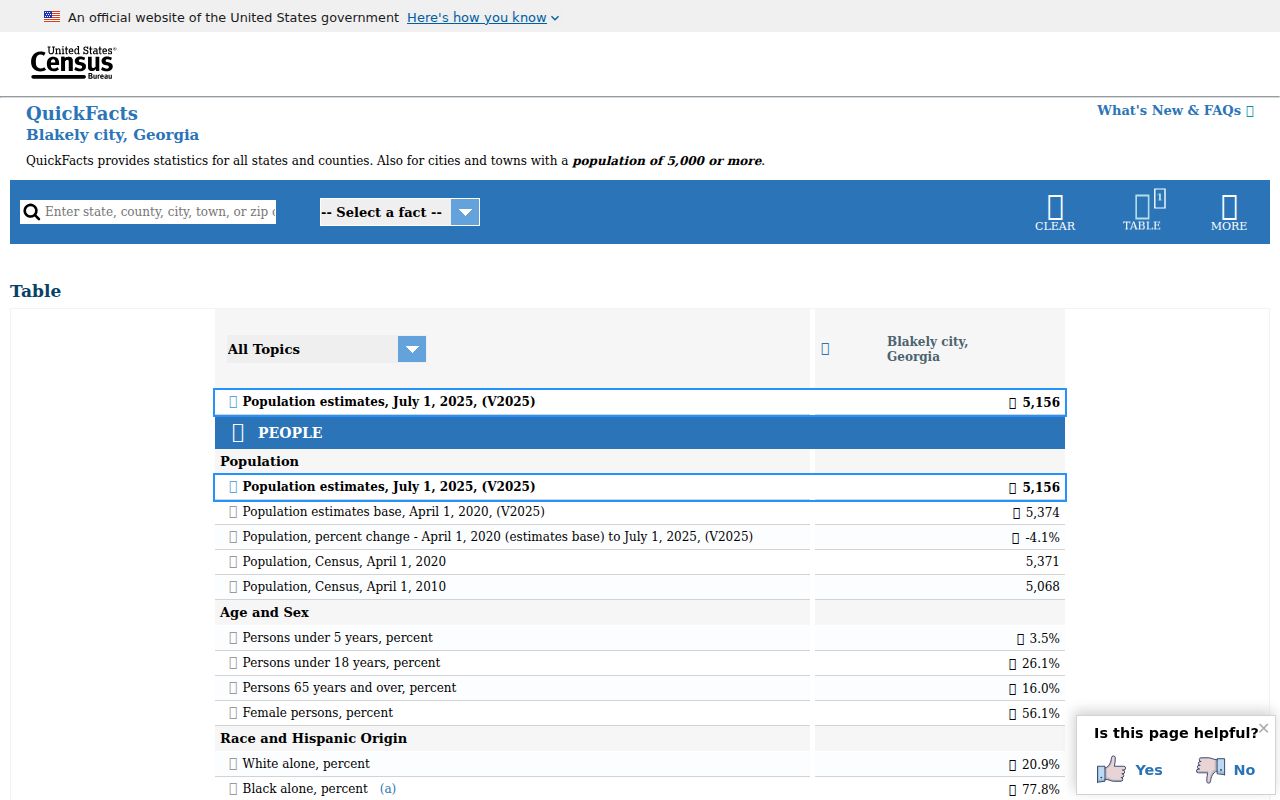
Population rank sets the city set, while jurisdiction and record creation determine the actual search path.
Blakely Record Check
5,371 in 2020. City police reports, Municipal Court matters, county jail bookings, and Superior Court cases may all matter.
Arlington Record Check
1,209 citywide in 2020. Confirm whether an event fell on the Early or Calhoun County side.
Damascus Record Check
212 in 2020. Identify the active agency before routing the request to a county office.